Does your Dartford home actually need a rewire?
Not always — typically only about 30% of Dartford homes need a full rewire; many require targeted upgrades costing far less and completed in 1–3 days per circuit.
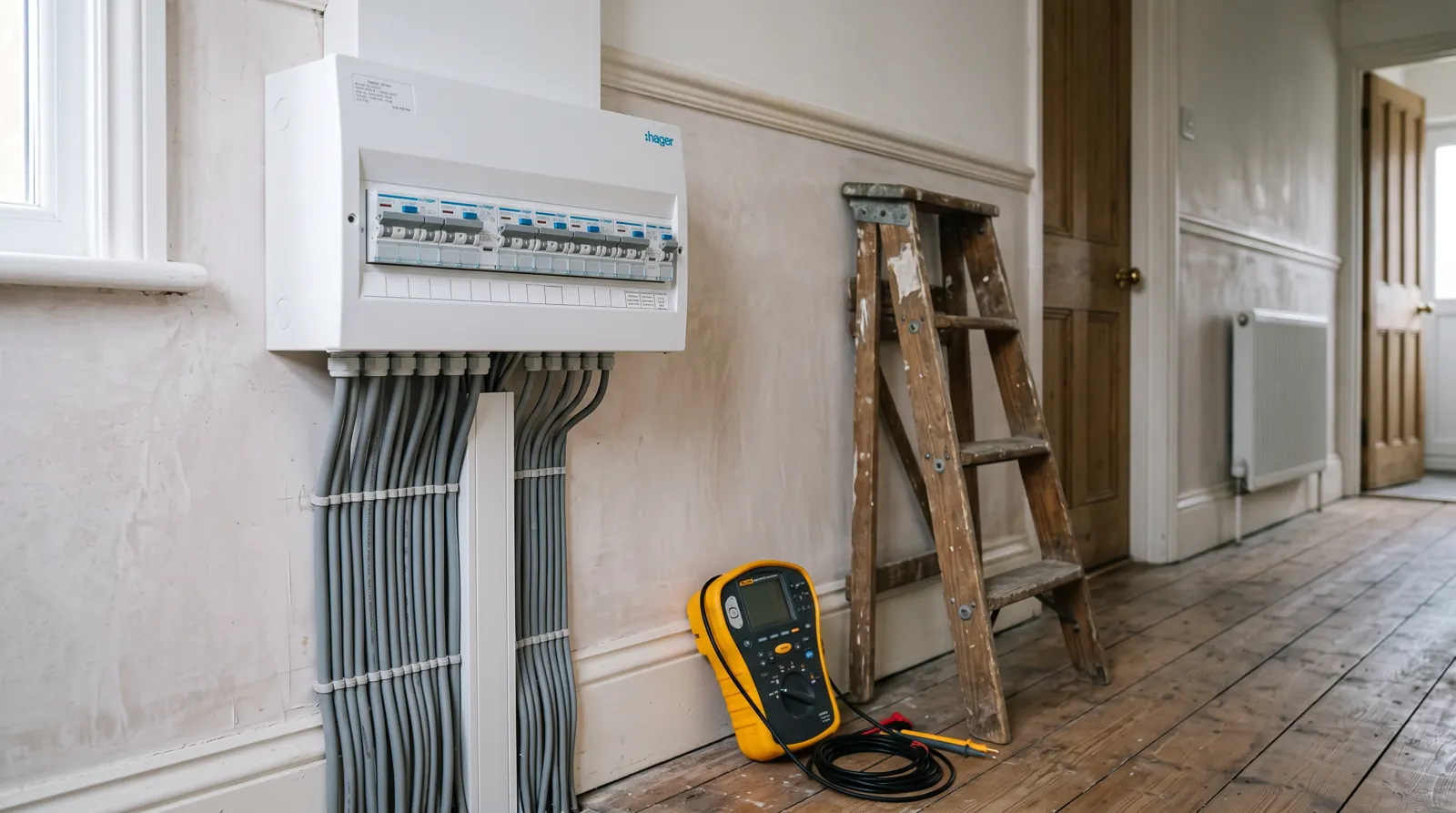
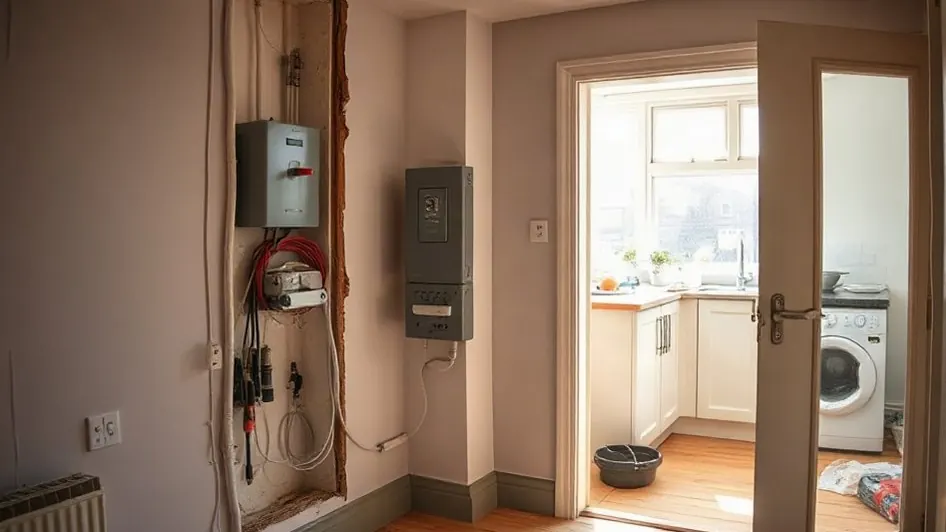
We shouldn’t decide from a property’s age alone. We assess the installation’s condition, its earthing and bonding arrangements, consumer unit capacity, circuit design and suitability for how you use the home. In Dartford’s Victorian terraces, post-war estates and newer developments, ageing electrics may affect only part of an installation rather than every circuit.
We also consider whether proposed work changes demand. A kitchen upgrade, for example, can require dedicated circuits for modern appliances, while poor socket placement may justify additional sockets without replacing sound cabling elsewhere. Our NICEIC-approved electricians can inspect the relevant circuits and explain whether targeted upgrades are appropriate. Any alterations must comply with Part P and BS 7671, with certification provided where required. We’ll give you a fixed written quotation before work begins.
Signs a rewire is due
- Your sockets or switches feel warm to the touch.
-
Usually means overloaded or failing wiring or connections that need urgent attention.
-
You notice a burning smell or see scorch marks around sockets or the consumer unit.
-
Usually indicates overheating or arcing that can lead to fire — arrange an emergency inspection.
-
Lights flicker or dim whenever you switch on appliances like kettles or heaters.
-
Usually shows the wiring or connections are struggling under load or a circuit is poorly shared.
-
Fuses or breakers trip repeatedly, even after resetting them.
-
Usually a sign of a persistent fault, overload or deteriorating wiring that shouldn’t just be reset.
-
You feel a small shock or tingling when touching appliances, switches or sockets.
-
Usually means faulty earthing or a live fault — stop using the item and get it checked.
-
Plugs or cables have cracked, brittle or disintegrating insulation.
-
Usually happens with old wiring materials that have degraded and may expose live conductors.
-
Your consumer unit looks old and lacks modern switches or safety devices (no RCDs).
-
Usually indicates the installation is outdated and may not meet current safety standards.
-
Problems are concentrated in one room (often the kitchen) or on one floor.
-
Usually points to a localised circuit issue rather than a single appliance.
-
You get repeated faults after temporary fixes or fuse upgrades.
- Usually shows the underlying wiring condition hasn’t been addressed and may need more comprehensive work.
What a rewire costs in Dartford
Partial rewires can fix unsafe circuits in one kitchen, room or floor without the cost and disruption of a full rewiring; in Dartford we provide a fixed written price after assessing cable routes, circuit condition and any consumer unit upgrades. Quotes include VAT, compliant parts, labour, testing and certification where shown.
| Job | Price | What's included |
|---|---|---|
| Partial rewire | £1,200–£3,000 | VAT, compliant parts, labour, testing and certification; safe integration with retained wiring (no extension of deteriorated VIR, rubber or aluminium circuits) |
| Full 3-bed rewire | £4,500–£8,000 | VAT, compliant parts, labour, testing and certification |
| Consumer unit replacement | £500–£700 | VAT, compliant parts, labour, testing and certification |
Not included: making good plaster and decoration, asbestos removal, DNO supply-upgrade charges, and scaffold or specialist access equipment.
How long a rewire takes, room by room
Although timings depend on access, cable routes and the condition of retained circuits, we’ll normally allow one to two days for a kitchen or single room and two to four days for a floor-level partial rewire. Our timeline estimates include safe isolation, cable installation, testing and certification; concealed routes, older VIR or aluminium wiring can extend them.
| Area | Typical duration | Key work |
|---|---|---|
| Kitchen | 1–2 days | Dedicated circuits, sockets, testing |
| Single room | 1–2 days | Cabling, accessories, verification |
| One floor | 2–4 days | Circuit segregation, inspection, certification |
We’ll identify room disruptions before starting, protect retained circuits and confirm that earthing, bonding and protective devices meet current requirements. If testing exposes defects outside the agreed scope, we’ll explain the compliant options before proceeding and keep your written price clear.
Living in the house while we work
Most households can remain at home during a kitchen, room or one-floor partial rewire, provided we can safely isolate the affected circuits and maintain a clear working area. We’ll agree access times, protect floors, control dust and identify which sockets, lighting and appliances will be unavailable each day.
For working families, we can plan work around school runs or home-working where practical, but you must keep children and pets away from open floorboards, cable routes and tools. We won’t leave exposed live conductors, and temporary supplies must be suitable and protected. Kitchen work may limit cooking facilities, so arrange alternatives. Overnight stays are usually possible when essential lighting, heating and safe circuits remain operational. If isolation affects the consumer unit, smoke alarms or essential services, we’ll explain whether temporary accommodation is safer.
Rewiring a period or listed property
In Dartford we take a cautious, location-specific approach to partial rewires for period and listed homes.
Where we carry out a partial rewire in Dartford we will ensure the work complies with BS 7671 and Building Regulations Part P as they apply in this borough. We will test the completed work on site in Dartford, issue the appropriate electrical safety certificates, and provide a fixed written price for the specific property before work begins.
Making good, and what we do and do not put back
We’ll make safe any chases, cable routes and access points created for the partial rewire, but electrical work doesn’t normally include full decorative reinstatement. We’ll secure cable containment, fit appropriate back boxes, cap and protect exposed edges, and leave areas ready for a competent plasterer or decorator where agreed.
Our quoted scope will state exactly what’s included. This may cover lifting and refitting accessible floorboards, replacing straightforward access panels, or fitting skirting that has been carefully removed, provided it remains sound and reusable. We can’t guarantee old plaster, tiles, wallpaper, coving or timber will come away without damage.
Plaster repairs, tiling, redecorating and paint matching are usually separate trades. If concealed services require wider opening-up than expected, we’ll explain the reason and agree the practical next step before proceeding.
Certificates and Building Control
Once the physical work and agreed making-good are complete, we’ll issue the right electrical documentation for the scope. A new kitchen circuit or consumer unit requires an Electrical Installation Certificate (EIC); additions to an existing circuit normally receive a Minor Electrical Installation Works Certificate.
Under Part P, new circuits, consumer-unit replacements and electrical work in bathrooms or other special locations are notifiable. As NICEIC-approved, Part P-registered electricians, we can self-certify eligible work and notify Building Control, so you avoid arranging separate inspection and electrical permits. You’ll receive the relevant certificate and Building Regulations compliance confirmation for your records.
Where work is notifiable but completed by a non-registered installer, you must apply to Building Control and pay its inspection fee. We’ll explain compliance timelines before work starts, including testing, notification and certificate issue, so the installation is safe, traceable and properly documented.
Recent rewires near Wilmington
Around Wilmington, we assess partial rewires carefully before recommending them, particularly in 1980s–90s homes where a kitchen extension, altered layout or ageing circuit may need attention without requiring a full-property rewire. Our recent projects have included replacing kitchen ring circuits, adding correctly sized circuits for appliances, and upgrading earthing and bonding where testing identified deficiencies.
Local challenges can include concealed cables affected by previous alterations, limited routes through finished extensions, and consumer units lacking capacity for additional protective devices. We test existing circuits, confirm cable condition and verify that the consumer unit can safely accommodate the work. Where it cannot, we’ll specify the necessary upgrade rather than compromise compliance. All new work is designed, installed and tested to current regulations, with appropriate certification issued on completion. We provide a fixed written price before work begins.